
MATCH-RES
MATCH-RES
Multidimensional Analysis To Connect Housing Retrofit with Energy Sharing awareness
Rajendra Singh Adhikari (Principal Investigator)
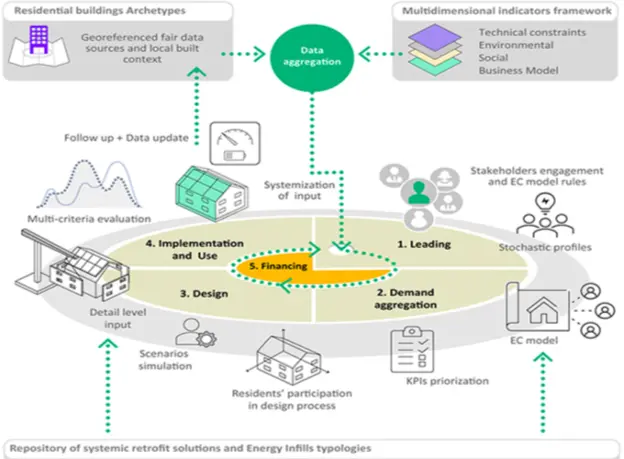
In Italy, between 1945 and 1991, 7.4 million residential buildings were constructed using new building techniques and without any regulatory constraints in terms of energy efficiency. The result is a degraded building stock that causes high energy consumption. Many tools, including tax exemptions, have been introduced to facilitate the efficiency process. In recent years, these tools have promoted awareness of the importance of energy efficiency and how to achieve it, both among occupants and building technicians. The research hypothesis is that the tools used so far will not produce the expected savings, both quantitatively and qualitatively, with some limitations regarding the type of materials used and the costs of the interventions. Furthermore, during the design phase of the interventions, the stakeholders involved (residents and/or condominium administrators, building technicians and public/private developers) play a passive role both in terms of requesting the retrofit process and selecting materials, components and execution techniques. However, their role remains central in the management of the property. Therefore, the overall objective of the research is to identify, also through comparison with other national contexts, models for promoting the energy upgrading of residential buildings, focusing on the involvement and commitment of stakeholders. Furthermore, the materials and components used must not only focus on internal comfort, but must also consider the impact on the external environment. The financing mechanisms are based on the possibility of installing additional energy-saving cladding on buildings which, together with the savings achieved by reducing consumption through efficiency, can also increase the production of RES and generate energy communities at building level. The result will provide a methodological model for future research into the development of tools that are useful to all stakeholders involved in housing, such as developers, decision-makers, technicians and residents, and capable of collecting multidimensional data, such as energy production, energy efficiency and well-being, through IoT and IoP.
Contribution to SDGs: 7, 11, 12
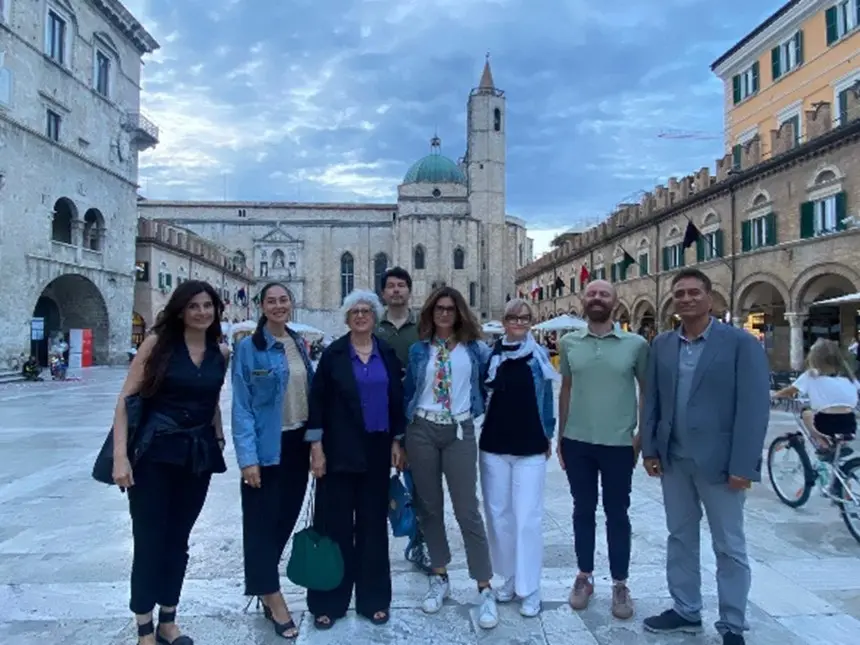
DABC Activities
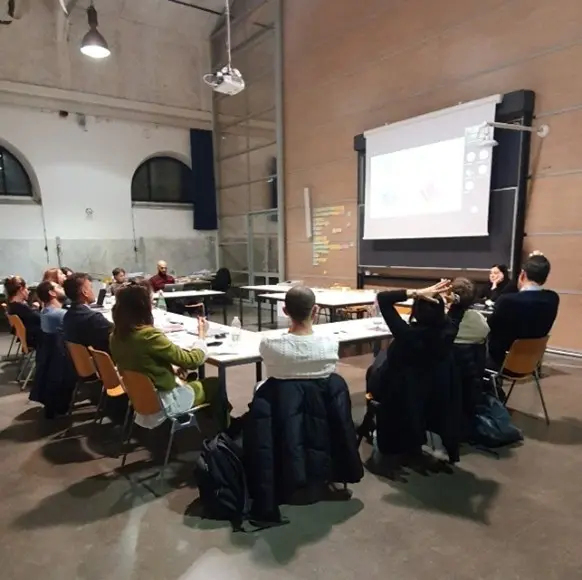
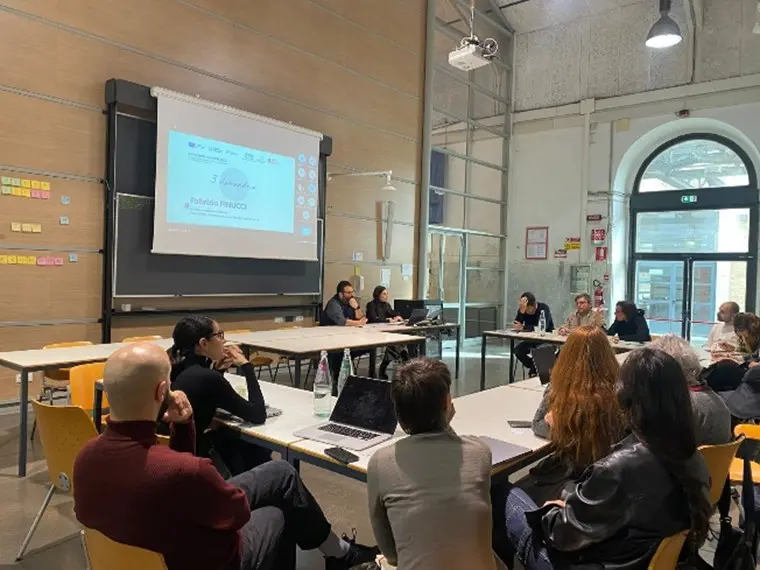
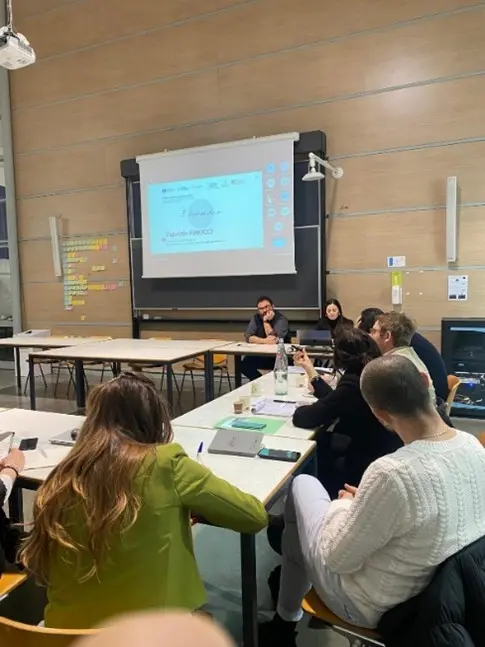
Coordination and dissemination of strategies and potential of the retrofitting process; Definition of multidimensional indicators based on technical, environmental, social and economic aspects, analysed on the basis of literature, previous research and Italian and other countries' regulations; Assessment of existing buildings (1945-1991) with regard to the possible application of energy communities; Modelling of the energy retrofitting roadmap, an interactive model that will guide the creation of energy communities.
Partners
Università degli Studi Roma Tre (coordinator), Università degli Studi di Camerino
Publications